Case Study 07 · Quick Commerce · Tier 2 Cities
How hyperlocal targeting and recipe content drove a 160% sales increase for a premium egg brand
The brief
Selling a premium product in a Tier 2 city with no brand awareness, limited digital infrastructure, and a category that people have bought from the local sabziwala their entire life.
The problem wasn't awareness. People saw the brand. They just didn't click the order button. That's a conversion problem, not a reach problem.
At a glance
Eggsy
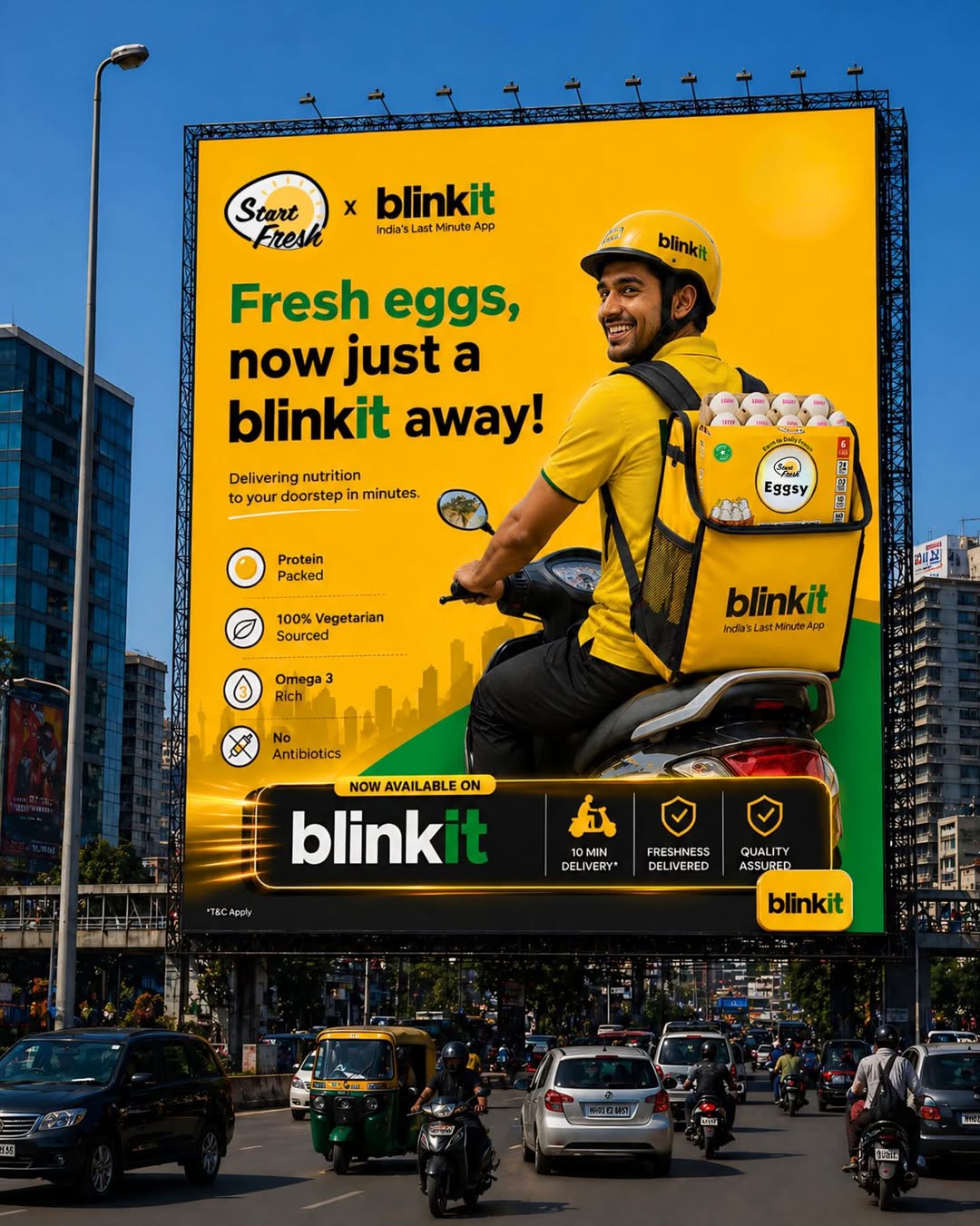
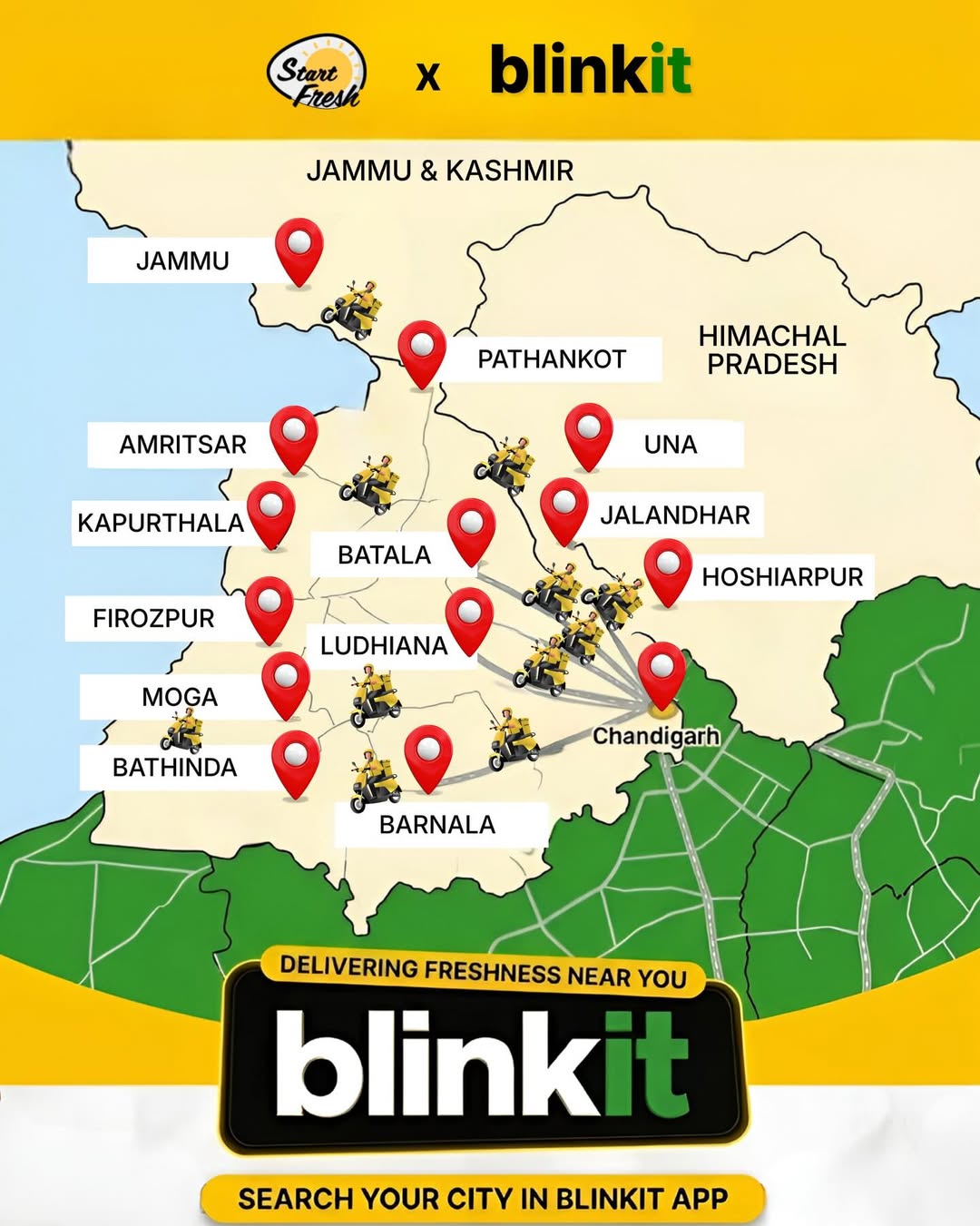
Quick commerce brand delivering grass-fed chicken eggs daily. Farm-owned, delivery carts across city, subscription model. Markets: Chandigarh, Ludhiana, Jammu, Delhi. Starting point: near-zero brand presence.
The challenge
Tier 2 audiences aren't yet habituated to quick commerce the way Mumbai or Bengaluru consumers are. Premium positioning was a tough sell to an audience that associates premium pricing with distrust.
Category unfamiliarity
Quick commerce behaviour wasn't yet established in Tier 2/3 markets. Buying eggs from an app felt foreign when the corner store was right there.
Premium trust gap
Billboards, discounts, and on-ground campaigns were running but none of it was converting. People saw the brand. They didn't trust it enough to order.
Wrong targeting logic
Broad Meta campaigns were reaching everyone and converting nobody. The spend was there. The audience fit wasn't.
The solution
Hyperlocal targeting: find the already-converted audience.
Identified specific neighbourhoods with high net worth residents and areas where Blinkit, Instamart, and Zepto dark stores already operated. That told us two things: the audience had buying intent and were already comfortable with quick commerce. Targeted the top 20% of spenders in those zones specifically.
Recipe content over product ads.
Regional content, fitness and lifestyle angles, comparison videos, and recipe videos. Not product ads. Recipe videos that showed how eggs fit into cooking across cuisines. Sell the outcome, not the object. The conversion rate on recipe content destroyed everything else.
WhatsApp direct marketing with AI chatbots.
Value-first communication, not spam. Offer updates, subscription reminders, benefit messaging, all in a channel where no competitor had shown up yet. Inbound queries handled by AI chatbots in near real-time.
Micro-influencers who actually influence the purchase.
Not beauty creators. Grocery vendors, mothers, dieticians, people the target audience already trusted for food decisions. Their reach was smaller. Their conversion was higher.
Results
Key takeaways
01
Hyperlocal targeting is not just a media strategy, it's a credibility strategy. When your ad shows up in someone's own neighbourhood, it feels relevant in a way broad campaigns never can.
02
In a new category in a Tier 2 market, your job is not to explain the product. It's to explain the habit. Make it easy to understand why this belongs in their life.
03
Micro-influencers who actually influence the purchase decision beat macro influencers who just have reach. A dietician recommending your eggs to her local audience is worth more than a celebrity mention.
Launching in
Tier 2 markets?
The playbook is different. The fundamentals aren't.
Connect on LinkedIn ↗