Case Study 13 · AgriTech · SEO & Content
How structured content strategy grew organic traffic by 40% for India's tractor platform
The brief
Tractors and digital content strategy don't seem like a natural combination. But in a niche B2C category with high search intent and low content quality across the industry, SEO is one of the most direct paths to growth.
Over a year at Yellow Tork (TractorGuru), I built a content system that grew organic traffic by 40% and improved social media engagement by 15%, writing for farmers, dealers, and OEM brands simultaneously.
At a glance
TractorGuru (Yellow Tork)
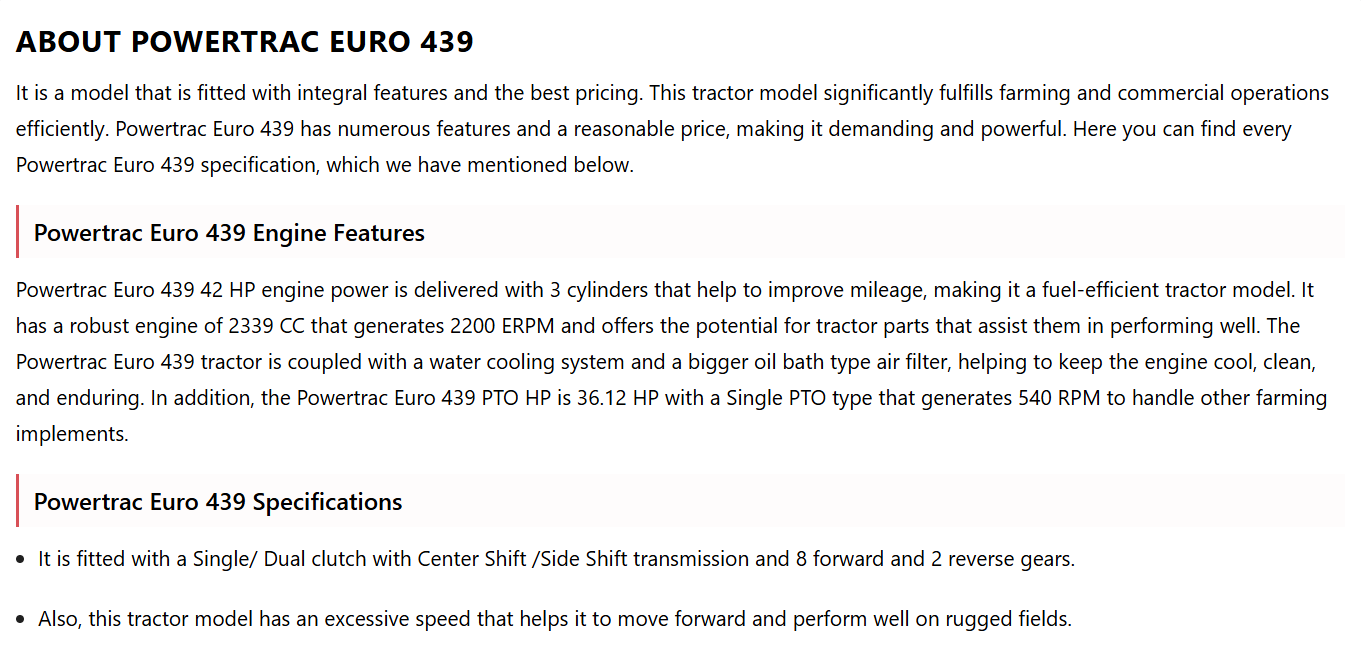
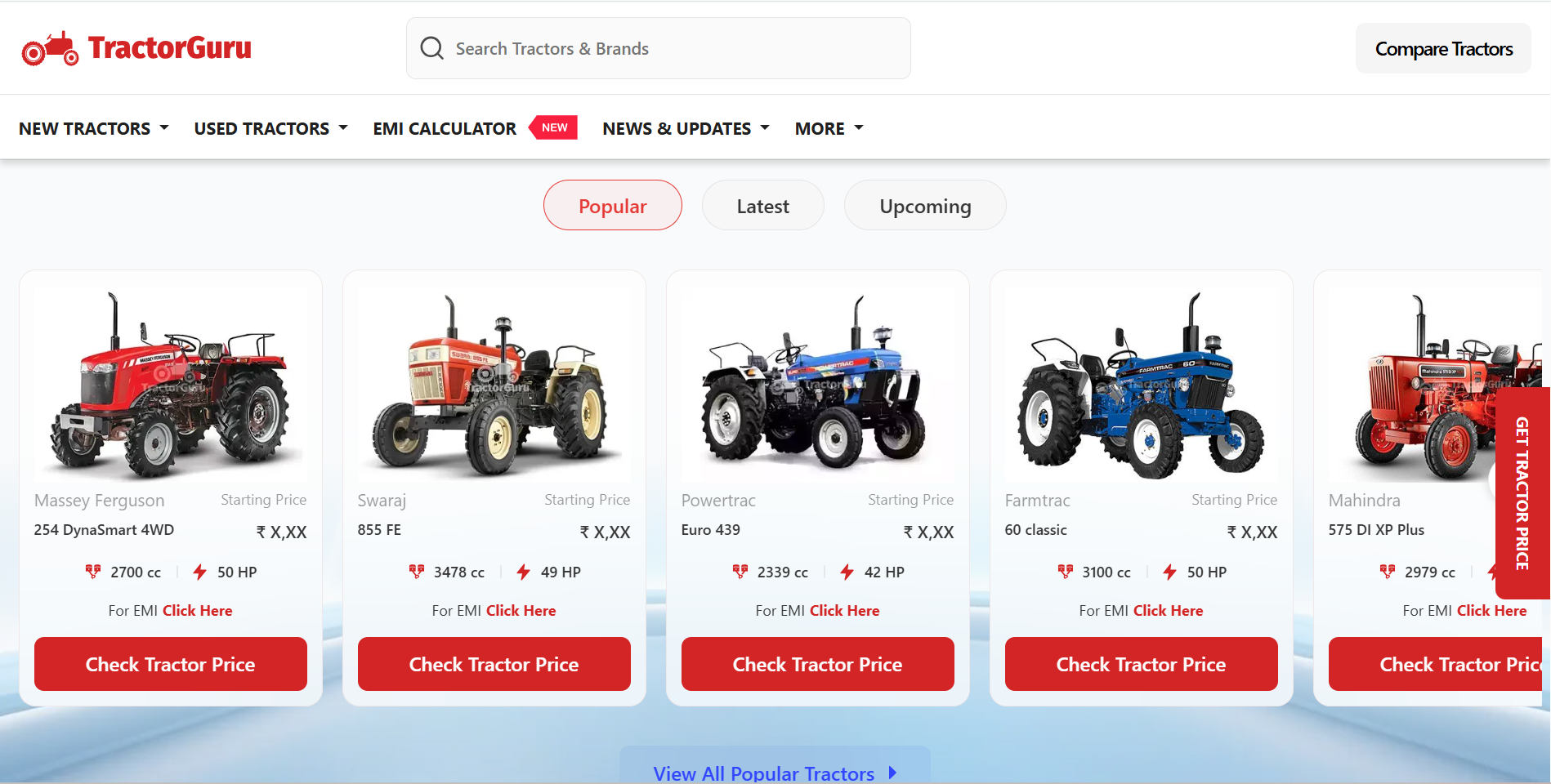
India's largest tractor discovery platform. Audience: farmers, dealers, OEM brands. High search intent, technical content, multiple audience types with very different intent and literacy levels. Duration: May 2021 – May 2022.
The challenge
Creating large volumes of SEO-optimised content for a niche audience in a competitive search landscape, without copying from competitors or producing generic content that ranks for nothing.
Technical content at scale
Topics were technical, tractor models, specifications, financing options, agricultural equipment comparisons. Getting them right required genuine domain knowledge, not template-filling.
Multiple audiences, different intents
A farmer researching a tractor, a dealer comparing models, and an OEM brand looking for exposure all needed completely different content. Same platform, three different readers.
Plagiarism risk
Most content in this space was being copied and recycled across competitor sites. Producing original content at volume required a structured process, not just good intentions.
The solution
Keyword research and competitor gap analysis first.
Identified high search-intent topics that competitors were either missing or covering poorly. Clear entry points where we could rank without fighting for the same ground. The process started with data, not guesswork.
Wrote for the reader, not the algorithm.
A farmer researching a tractor doesn't need academic language. They need to know which model fits their land size, their crop, and their budget. Content written for that reader specifically, which is also the content Google ranks higher.
Full on-page SEO implementation.
On-page optimisation, internal linking strategy, metadata improvements, and periodic reviews to catch and fix ranking drops before they compounded. SEO as an ongoing system, not a one-time setup.
Social content pulled from the same research.
What ranked well in search often indicated what the audience cared about, which made it easier to create social content that performed. One research effort, two content tracks.
Results
Key takeaways
01
In a niche category with high search intent, SEO is not a long-term play. It's the fastest legitimate path to qualified traffic, if you do the keyword research properly.
02
Content that serves the reader first ranks better than content that targets the algorithm first. Google has gotten good enough that the difference is measurable.
03
Plagiarism in content marketing doesn't just affect SEO. It signals to every reader that you have nothing original to say. An original content production process is worth the extra effort.
Niche SEO that
actually moves rankings?
High search intent categories reward the team that shows up with the best content, not the biggest budget.
Connect on LinkedIn ↗